
By Roof Painting Plus
Spot Spring Ridge Cap Problems Before Leaks Spread
Ridge caps run along the highest joins of your roof, so they do a big job keeping water out. In Tamworth, spring can bring warm days, gusty winds and seasonal rain, all of which can expose weak spots in old ridge cap pointing. From ground level, these problems are often hard to see until water has already found a way into the roof space.
We recommend paying attention to small changes after winter, especially if your roof has been through years of sun, rain and temperature shifts. Flexible pointing for ridge caps in Tamworth can help create a seal that moves with the roof, rather than becoming rigid and splitting over time. Early attention may help stop a minor issue from turning into a larger roof repair.
Cracked Pointing Can Let Spring Rain Into Your Roof
Cracks, splits and crumbling sections around ridge caps are among the clearest signs that pointing needs professional attention. Traditional mortar can become dry and brittle as it ages. Repeated sun exposure, wet weather and changing temperatures may gradually weaken its hold around the ridge caps.
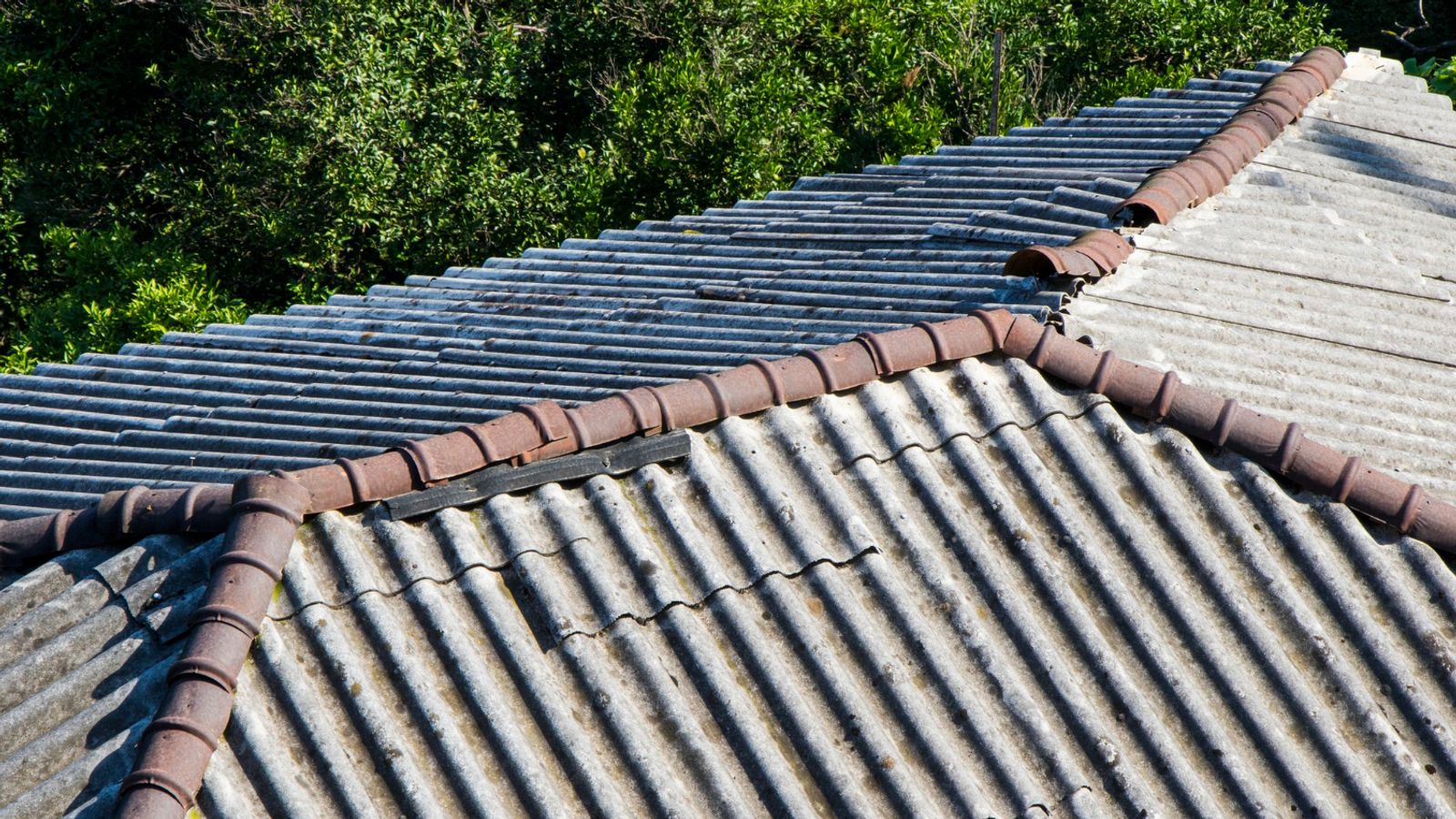
Damage is often easiest to spot along roof ridge lines, hips and outer edges. You may notice thin cracks, missing pieces of mortar or dark gaps beneath a ridge cap. Even a narrow opening can let rain travel beneath tiles or metal sheeting before it becomes obvious inside your home.
Keep an eye out for:
- Cracks running alongside ridge caps
- Mortar that looks broken, loose or crumbly
- Small sections missing around roof joins
- New ceiling marks after rain
Water does not always drip straight down from the point where it enters. It can move through the roof space, wet insulation or timber, and show up later as a stain in another part of the home. That is why we take small cracks seriously when inspecting roofs.
Flexible pointing for ridge caps in Tamworth is designed to allow for natural movement while maintaining a reliable seal. It can be a more suitable long-term option than leaving aged, rigid mortar in place as spring rain and wind pick up.
Loose Ridge Caps Can Signal Hidden Roof Movement
A ridge cap that looks uneven, lifted or out of line deserves a closer look. Roof materials naturally expand and contract through hot Tamworth summers, cooler nights and shifting spring weather. Over time, this movement can affect the pointing holding ridge caps in position.
From the ground, a loose cap may look slightly raised compared with the caps beside it. In other cases, you may see a visible gap beneath the cap, notice pieces of pointing in the gutter, or hear movement during strong winds. These are not details to ignore, as wind-driven rain and debris can enter through gaps around loose caps.
Signs worth noting include:
- Ridge caps that appear crooked or shifted
- Gaps underneath caps or along roof joins
- Rattling or tapping sounds in windy conditions
- Mortar fragments collecting in gutters or on the ground
The problem may be limited to the pointing, but it can also involve nearby tiles, fasteners or surrounding roof materials. A professional inspection helps us identify what is moving and why, rather than treating only the visible symptom.
Leaving loose ridge caps through stormy weather can allow the damage to spread. Wind may work beneath already weakened sections, while rain can enter areas that were previously protected. A proper assessment gives you a clearer picture of the roof’s condition before the weather becomes less predictable.
Fading Mortar May Mean Your Roof Needs Flexible Pointing
Not every patch of faded mortar means immediate failure, but powdery, worn-looking pointing can be a warning that its seal is no longer dependable. Older mortar often loses colour after long exposure to sun and weather. If it also feels rough, looks flaky or has started pulling away from the ridge caps, the issue is more than cosmetic.
We look beyond simple discolouration when assessing ridge cap pointing. Surface fading may be expected on an older roof, while missing chunks, loose material and open gaps suggest the mortar is losing adhesion. Once the pointing starts to break down, further cracking can happen more easily after rain, wind and temperature changes.
Tile and terracotta roofs can benefit from flexible pointing because the roof materials may move with the seasons. Rather than relying on a hard finish that may become brittle, flexible pointing is made to accommodate normal roof movement while helping maintain the seal around ridge caps.
Roof work can be unsafe, particularly around high ridge lines and sloping surfaces. Instead of climbing a ladder to inspect worn mortar up close, we recommend having a qualified roofing professional assess the area. The condition around the ridge caps should be considered alongside the rest of the roof.
Small Gaps Can Invite Pests and Wind Damage
Broken pointing around ridge caps can create more than a water entry point. Small gaps may allow leaves, dust, insects, birds and rodents into the roof space. Once debris builds up, it can contribute to blocked drainage areas and make it harder to spot where moisture is getting in.
Spring winds can make a weak ridge cap problem worse. A cap that is already loose may shift further, while damaged pointing can break away under repeated gusts. This can leave a larger opening for rain and debris just when seasonal storms become more likely.
It is worth arranging a roof inspection if you have noticed:
- Debris appearing in gutters more often than usual
- Ceiling stains or damp patches after rain
- Signs of movement on the roof during windy weather
- Bird activity or noises in the roof space
Catching these warning signs early can help protect insulation, roof spaces and the materials beneath the roof surface. A thorough inspection can also separate a ridge cap issue from other roof concerns that may need attention at the same time.
Book a Ridge Cap Check Before Storm Season Arrives
After winter, take a careful look at your roof from the ground and watch for cracked pointing, worn mortar, crooked ridge caps and signs of leaks inside. If something does not look right, a professional assessment can help identify whether flexible pointing or broader roof restoration work is needed.
Monitoring ridge caps before heavier spring and summer weather arrives can help you spot small gaps, loose sections and worn pointing before they allow water, wind or pests into the roof space.
Restore A More Secure Ridge Line
Roof Painting Plus provides reliable flexible pointing for ridge caps in Tamworth to help keep your roof line secure and weather-resistant. Our team can assess the condition of your ridge caps and recommend the right repair approach for your home. Contact us to arrange an inspection and quote.